

THEIR IMPACT ON HUMAN HEALTH
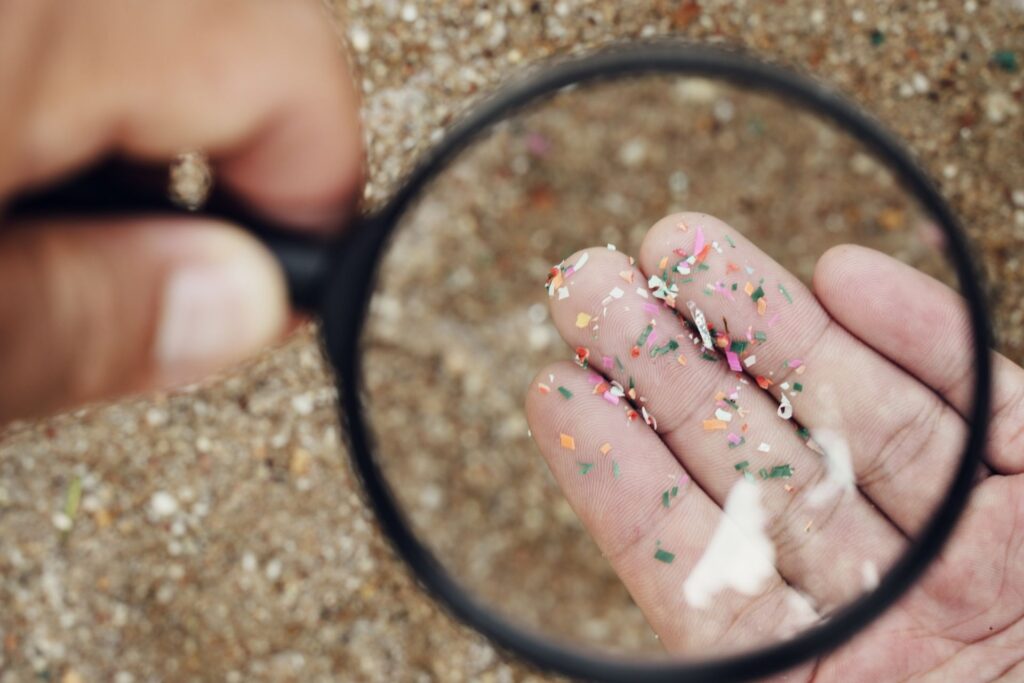
We know that microplastics are everywhere. The tiny plastic particles (such as polystyrene, polypropylene, and polyethylene) measuring less than 5 mm in length.1 Globally, their presence is increasing at a dramatic rate, posing risks for exposure and adverse effects on human health.1,2 However, microplastics carry other threats, and this has been described as the ‘triple exposure nexus’.2
Microplastics and the Triple Exposure Nexus
Microplastic particles contain thousands of plastic-associated chemicals.2 The most prevalent of these with the highest concentrations are plasticisers and flame retardants, including phthalates, per- and polyfluoroalkyl substances (PFAS) and polybrominated diphenyl ethers (PBDEs).2 Additionally, microplastics have an high capacity to transfer environmental pollutants such as heavy metals or persistent organic pollutants (POPs).2
Subsequently, microplastics are considered to deliver a ‘triple exposure nexus’, that is:
- Exposure to the particles themselves
- Exposure to plastic-associated chemicals
- Exposure to other accompanying environmental pollutants.2
How Widespread are Microplastics?
- Microplastics have infiltrated every corner of the Earth, being found in the air, drinking water, and food chains.2 It is estimated that 75% of the plastics ever manufactured globally (8.3 billion metric tons) persist to the present day, largely accumulated in landfills or in the natural environment.2
- Airborne microplastics are widespread and are found more abundantly in indoor environments than outdoor.3 Childcare centres, schools and offices tend to have the highest levels.3 It’s estimated that our exposure to airborne microplastics is between 1,379 and 3,781 particles per year, depending on age and sex, with males 18 to 64 years having the highest exposure.3
- Urinary phthalate metabolites have been found in over 99% of urine samples of Australian pregnant women.4 In the general Australian population, levels are at least double the concentration of samples from the United States and Germany.5
- Three out of the 11 types of per- and polyfluoroalkyl substances (PFAS) have been found in 85% of Australians.6
What Does This Mean for Our Patients?
Microplastic exposure is associated with a range of health impacts in humans:7
- Gut effects: dysbiosis, barrier dysfunction, inflammation, inflammatory bowel disease, reduces fat digestion, worsens Helicobacter pylori infection.
- Lung effects: inflammation, altered surfactant properties, inhibition of alveolar cell proliferation, reduced cell viability, impaired cellular energy metabolism, histological changes, fibrosis.
- Cardiovascular effects: increased oxidative stress and inflammation, dysfunctional mitochondria and energy metabolism. May impede red blood cell’s ability to transport oxygen.
- Infectious disease: pathogenic organisms on plastic debris may be transmitted to humans.
- Inflammation: exposure activates immune responses, damaging immune cells and increasing production of inflammatory cytokines.
- Pregnancy and maternal exposure: can negatively impact maternal and foetal health through various mechanisms, including inflammation and disruption of hormonal balance. Observed impacts in human and animal studies include changes to lipid metabolism, brain, liver, testis and body weight, impaired learning and memory.
When microplastics are combined with their additives and environmental pollutants such as pesticides, the impacts are multiplied.2 This is known as synergistic toxicity.2 This toxic combination induces DNA damage, inflammation, and endocrine disruption, and has been found to accumulate in many human tissues, including blood, cardiac and placental tissue.2
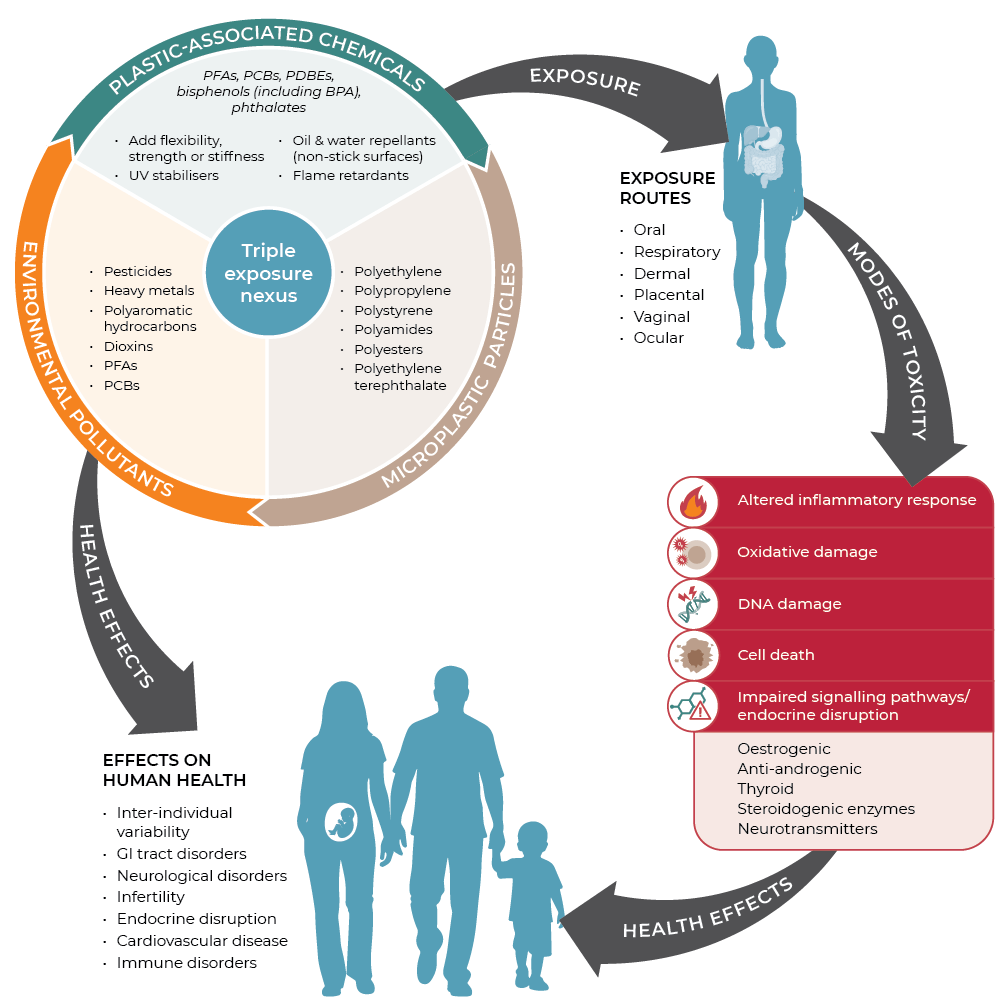
Figure 1: Environmental plastic pollution and its consequences. Adapted from Alijagić et al. (2024).2
Is it Possible to Reduce our Exposure and Decrease the Health Impacts?
Simple lifestyle changes can make a big impact. These include:
- Use a water filter.
- Avoid heating foods in plastic containers in the microwave.
- Avoid consuming hot foods or liquids that have come into contact with plastic – that includes coffee cups and ‘boil-in-the-bag’ products.
- Phase out use of non-stick cookware, plastic cooking utensils and cleaning sponges.
- Avoid single-use plastics such as takeaway containers and plastic bags. Choose glass or stainless-steel containers and fabric bags instead.
- Choose ‘natural-based’ personal care products (bisphenols, parabens, phthalates, per- and poly-fluoroalkyl substances are commonly found in personal care products and packaging).8
- Think about clothes and furnishings and choose more natural fabrics.
- Increase dietary fibre which can bind toxins in the gut and increase removal from the body.9
- Increase antioxidant-rich fruit and veg such as kiwifruit.10
- Consider antioxidant supplements such as glutathione or glutathione precursors
- (N-acetyl cysteine, methionine, sulphur-rich foods).11
- Add in ‘super greens’ such as chlorella.12,13
- Support detoxification and elimination pathways (i.e. liver and kidney herbal support, fibre).
A Final Word
Plastics have delivered profound benefits to humans, in terms of sanitation and healthcare for example, however our production of plastic is now far beyond what the natural environment can sustain.14 Global use of plastics is expected to increase from 464 to 884 million tonnes by 2050.14 On the current track, oceans will contain more plastic by weight than fish by 2050.15
Reducing the production and demand for plastic is the best way to avoid living in ‘The Plasticene’, and a good first step is to reduce our exposure by choosing alternatives and encouraging our patients to do so too.16
References:
1. Microplastics in food [Internet]. Food Standards Australia New Zealand; 2023. Available from: https://www.foodstandards.gov.au/consumer/our-safe-food-supply/microplastics#:~:text=Microplastics%20are%20generally%20considered%20to%20be%20small,but%20degrade%20into%20microplastic%20particles%20over%20time.
2. Alijagić A, Suljević D, Fočak M, Sulejmanović J, Šehović E, Särndahl E, et al. The Triple Exposure Nexus of Microplastic Particles, Plastic-Associated Chemicals, and Environmental Pollutants From a Human Health Perspective. Environment International. 2024;188:108736.doi:10.1016/j.envint.2024.108736
3. Perera K, Ziajahromi S, Nash SB, Leusch FDL. Microplastics in Australian Indoor Air: Abundance, Characteristics, and Implications for Human Exposure. The Science of the Total Environment. 2023;889:164292. doi:10.1016/j.scitotenv.2023.164292
4. Best KP, Yelland LN, Liu G, Shi Z, Leemaqz S, Gibson RA, et al. Maternal Phthalate Exposure, Gestational Length, and Preterm Birth Risk: A Prospective Cohort Study Nested Within a Randomised Trial. BMC Pregnancy and Childbirth. 2025;25(1). doi:10.1186/s12884-025-07980-8
5. Gómez MJ, Heffernan AL, Toms L, Calafat AM, Ye X, Hobson P, et al. Concentrations of Phthalates and DINCH Metabolites in Pooled Urine From Queensland, Australia. Environment International. 2016;88:179–86. doi:10.1016/j.envint.2015.12.016
6. Per- and polyfluoroalkyl substances [Internet]. Australian Bureau of Statistics; 2025. Available from: https://www.abs.gov.au/articles/per-and-polyfluoroalkyl-substances
7. Osman AI, Hosny M, Eltaweil AS, Omar S, Elgarahy AM, Farghali M, et al. Microplastic Sources, Formation, Toxicity and Remediation: A Review. Environmental Chemistry Letters. 2023;21(4):2129–69. doi:10.1007/s10311-023-01593-3
8. Lin R, Lin DA, Maderal AD. Toxic Ingredients in Personal Care Products: A Dermatological Perspective. Dermatitis. 2024;35(2):121–31. doi:10.1089/derm.2023.0215
9. Manoj G, Thampi BSH, Leelamma S, Menon PVG. Effect of Dietary Fiber on the Activity of Intestinal and Fecal Beta-Glucuronidase Activity During 1,2-Dimethylhydrazine Induced Colon Carcinogenesis. Plant Foods for Human Nutrition. 2001;56(1):13–21. doi:10.1023/a:1008188009174
10. Collins A. Kiwifruit as a Modulator of DNA Damage and DNA Repair. 2013;283–99. doi:10.1016/b978-0-12-394294-4.00016-x
11. Minich DM, Brown BI. A Review of Dietary (Phyto)Nutrients for Glutathione Support. Nutrients. 2019;11(9):2073. doi:10.3390/nu11092073
12. Nasrabadi AE, Eydi M, Bonyadi Z. Utilizing Chlorella Vulgaris Algae as an Eco-Friendly Coagulant for Efficient Removal of Polyethylene Microplastics From Aquatic Environments. Heliyon. 2023;9(11):e22338. doi:10.1016/j.heliyon.2023.e22338
13. Bah A. Assessing the viability of microalgae as a bioremediation method for per- and polyfluoroalkyl substances (PFAS) [Internet]. The University of Arizona ProQuest Dissertations & Theses; 2022. Available from: https://www.proquest.com/openview/325eb12b8f3824e5b08e811b60febb7f/1?pq-origsite=gscholar&cbl=18750&diss=y
14. Dokl M, Copot A, Krajnc D, Fan YV, Vujanović A, Aviso KB, et al. Global Projections of Plastic Use, End-of-Life Fate and Potential Changes in Consumption, Reduction, Recycling and Replacement With Bioplastics to 2050. Sustainable Production and Consumption. 2024;51:498–518. doi:10.1016/j.spc.2024.09.025
15. World Economic Forum. The New Plastics Economy Rethinking the future of plastics [Internet]. 2016. Report no.: 080116. Available from: https://www3.weforum.org/docs/WEF_The_New_Plastics_Economy.pdf
16. Renault D, Weigand C, Balzani P, Richard CMC, Haubrock PJ, Colinet H et al. The Plasticine era: Current uncertainties in estimates of the hazards posed by tiny plastic particles on soils and terrestrial invertebrates. Science of the Total Environment. 2024;927:172252.doi: 10.1016/j.scitotenv.2024.172252.

